
Insights
Vacant Property Management Montreal: Empty Building
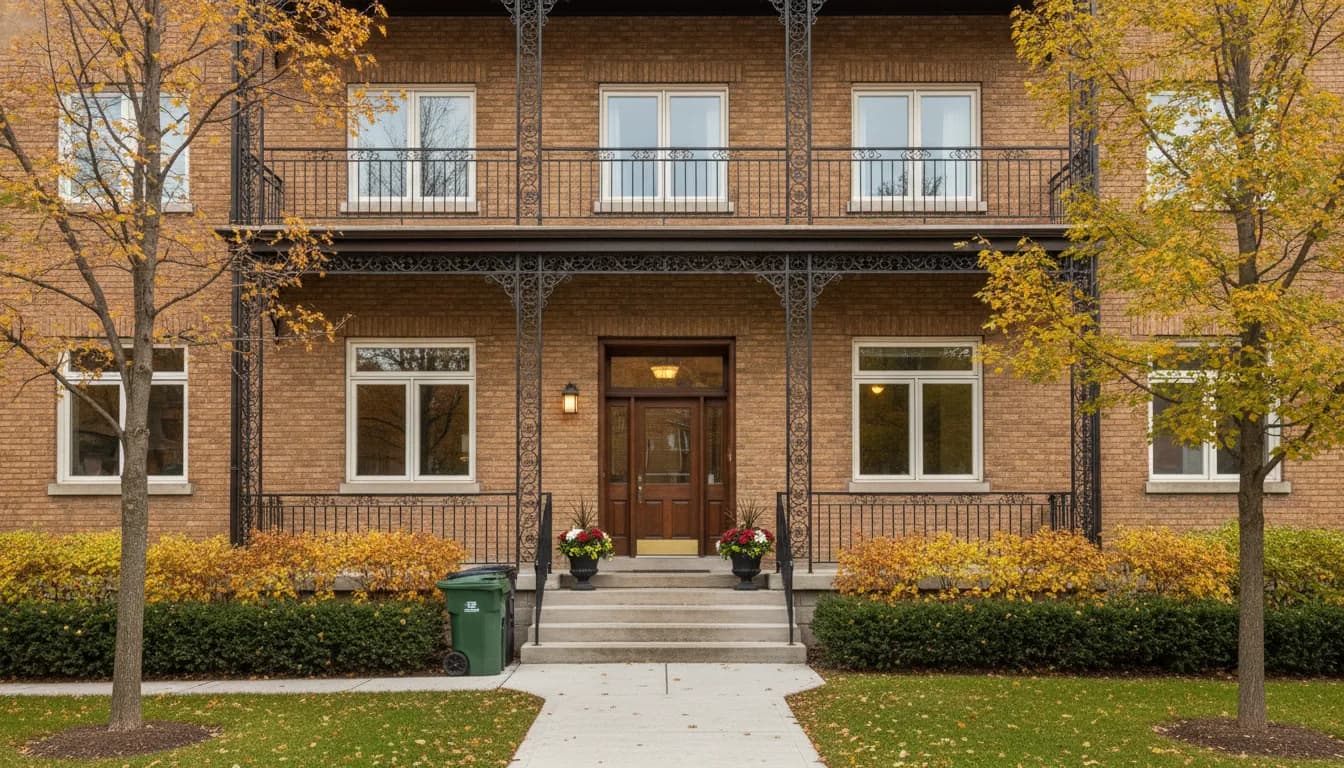
A vacant building is not free from management obligations. For owners comparing vacant property management Montreal options, the priority is a clear plan for utilities, maintenance, access, documentation, security, insurance communication, and the building's next use. The right framework reduces avoidable uncertainty without treating vacancy as a simple inspection exercise.
Effective vacant property management montreal owners can rely on begins with a documented operating plan, clear responsibility, and coordinated local oversight. The plan should reflect the property's condition, vacancy duration, intended future use, and transition timeline, while leaving insurance and legal questions to the appropriate qualified advisors.
Request a property management proposal
For residential, commercial, or industrial properties, this approach gives local owners, international investors, and institutions a clearer basis for protecting the asset and preparing it for re-occupancy. The first step is recognizing why vacancy should be managed as an active operating period.
Why Vacancy Is a Management Period, Not Simply an Empty Building
A vacant building does not stop creating operational responsibilities when the last occupant leaves. It continues to experience weather, temperature changes, equipment failure, unauthorized access, and gradual deterioration. Without normal day-to-day activity, small issues can remain unnoticed until they become materially more difficult to resolve.
The risk is practical. A minor leak can develop into major water damage, while a failed thermostat can contribute to frozen pipes. These examples, highlighted in the PRISM vacant-building risk guidance, show why vacancy requires an operating plan rather than passive waiting. The appropriate response is not necessarily the same for every property, but the exposure should be identified and assigned to someone who can coordinate action.
Duration changes the operating decision
A short transition between tenants may call for a different level of coordination than an uncertain or extended vacancy. Owners should consider how long the property is expected to remain unoccupied, what work must be completed before the next use. And whether the timeline is dependent on leasing, financing, redevelopment, or a sale. A risk assessment can help prioritize controls instead of treating every issue as equally urgent.
Intended use determines what happens next
The future of the property also matters. An owner planning to re-occupy, lease, sell, or hold the asset for a longer period will make different decisions about utilities, maintenance, access, documentation, and contractor coordination. The PRISM guidance recommends that a vacancy plan address the move, proper shutdown, and the property's long-term disposition. That approach keeps immediate actions connected to the asset's broader strategy.
For owners managing property from outside Greater Montreal, or overseeing a residential, commercial, or industrial portfolio, this decision framework provides accountability during the gap between occupants. Vacancy is therefore a management period: a defined phase requiring risk prioritization, responsible communication, and decisions aligned with the property's intended future.
What Should Vacant Property Management Montreal Include Between Tenants?
A sound between-tenants framework assigns responsibility for the property while it is unoccupied, without treating vacancy as a passive interval. The first step is to define the operating scope: the expected vacancy duration. The property's intended future use, the decisions retained by the owner, and the decisions delegated to a manager. Guidance from the Public Risk Innovation, Strategy, and Management (PRISM) program recommends that a vacancy plan address the full process. Including shutting down a facility properly and determining its long-term direction. It also recommends a risk assessment to focus attention where it is most needed. Read the PRISM vacancy-planning guidance.
| Operating area | Owner-led coordination | Delegated professional management |
|---|---|---|
| Decision ownership | The owner sets priorities, approves work, and remains the primary point of contact. | The owner establishes the mandate while the manager coordinates approved operational decisions and escalates exceptions. |
| Maintenance | The owner sources contractors, schedules work, and follows up on completion. | The manager coordinates qualified trades, tracks open items, and organizes records for owner review. |
| Access and communication | The owner maintains keys, access instructions, vendor contacts, and emergency communications. | The manager maintains the access record, coordinates authorized entry, and routes urgent issues through a defined escalation path. |
| Transition readiness | The owner brings maintenance, documentation, and leasing or re-occupancy tasks together before the next tenant arrives. | The manager maintains a transition file and coordinates closeout, readiness work, and handoff against the agreed scope. |
Documentation is the framework's control point. It should identify the authorized decision-makers, property contacts, access arrangements, open maintenance items, utility responsibilities, contractor records, and reporting cadence. Reporting does not need to be elaborate, but it should make unresolved risks visible and distinguish completed work from pending approvals. That structure is especially valuable for international owners, trusts, and institutions that need a clear record of local activity.
Maintenance coordination should be practical rather than reactive. Owners can use Montreal property maintenance management as a reference for organizing ongoing property-care responsibilities. For broader delegation, property management services in Montreal may help owners compare complete and partial management models. The appropriate arrangement depends on the building, vacancy horizon, intended use, and level of owner involvement. A professional framework should clarify those boundaries before work begins, so the transition to the next tenant is planned rather than improvised.
How Can Owners Protect a Vacant Building Between Tenants?
Protection during a vacancy is best handled as a coordinated operating plan, not as a single task. The appropriate controls depend on the building's condition, location, intended future use, and expected vacancy period. A residential property awaiting a new lease may require a different approach from a commercial or industrial asset being repositioned, sold, or held for a longer-term decision.
- Assess the exposure and define the decision owner. Begin by identifying the most credible risks for the specific property, including unauthorized access, vandalism, burglary, fire, water damage, and temperature-related problems. Vacant facilities can become targets for trespassing, arson, vandalism, and burglary, according to the PRISM vacant-building risk guidance. Record who can authorize contractors, utility changes, emergency work, and access. This avoids delays when a problem requires a decision rather than another observation.
- Secure the building and control entry. Review exterior doors, windows, gates, lighting, alarm arrangements, and vulnerable service areas. Remove or secure materials that could attract theft, including valuable fixtures or metal components. Keep an accurate access list, limit keys and codes to people with a legitimate role, and document when contractors or prospective occupants are expected on site. Security measures should deter unauthorized entry without creating a barrier for emergency responders.
- Make utility decisions based on the building, season, and plan. Do not shut off heating, water, or other services automatically. The decision should account for the building's systems, weather exposure, plumbing, protection equipment, and the intended duration of the vacancy. PRISM notes that shutting off utilities can increase exposure to temperature fluctuations and potential damage. A broken thermostat can contribute to frozen pipes, while a small leak can develop into major water damage. Confirm any change with qualified trades and the insurer where relevant.
- Review fire protection and emergency information. An unoccupied building may have delayed fire reporting. Canada.ca explains that fire depends on fuel, oxygen, and an ignition source, and that removing one element can help extinguish it. Confirm that combustible materials, ignition risks, alarms, and suppression arrangements are addressed by qualified professionals. If sprinklers, fire-water supplies, alarms, or other systems have been disconnected or altered. Document the condition and communicate it to the appropriate parties rather than assuming the original protection remains available.
- Give local responders and stakeholders usable information. PRISM recommends notifying local police and fire departments when a building is vacated and providing information about access controls, keyholders, fire-water supplies, and disconnected sprinklers. Keep this information current, along with emergency contacts, utility providers, contractors, insurer contacts, and owner instructions. Establish an escalation path for leaks, forced entry, fire indications, heating failure, or structural concerns. The objective is not to promise that every incident will be prevented, but to reduce avoidable uncertainty when a response is needed.
For owners managing from outside Greater Montreal, this framework also clarifies where local coordination is needed. A property management mandate can be complete or partial, depending on whether the owner needs support with maintenance coordination, access, communications, or broader operational responsibility. The scope should be documented in a customized proposal rather than assumed from a generic vacancy checklist.
How Should Maintenance, Access, and Emergency Response Be Coordinated?
Effective coordination begins with one clearly identified local point of responsibility. When a property is vacant, owners should know who can authorize maintenance, meet a contractor, communicate with emergency responders, and provide a timely account of what happened. That role may sit with an owner, an internal asset manager, or a professional property manager. The important consideration is continuity, not simply having a contact name on file.
A practical coordination plan should distinguish routine work from urgent escalation. Routine requests might include arranging seasonal maintenance, addressing a plumbing concern, or coordinating a service appointment. An emergency path should identify the people who can be reached outside normal business hours. The circumstances that justify immediate action, and the spending or approval limits that apply. Written instructions reduce uncertainty when an incident occurs under pressure.
Access information should be accurate, current, and handled securely. The file should identify authorized keyholders, access codes where appropriate, utility shut-offs, equipment rooms, and any restrictions contractors need to understand. The PRISM guidance recommends notifying local police and fire departments when a building is vacated. It also notes that responders may need information about access controls, keyholders, fire-water supplies, and whether sprinklers have been disconnected. Review the PRISM vacant-building guidance and confirm the details applicable to the property.
Documentation should connect each issue to an action, decision, and outcome. A useful record may include the reported condition, date and time, contractor assigned, photographs or invoices when relevant, work completed, outstanding risks, and the next follow-up date. Owners then receive a management record rather than scattered messages. This is particularly valuable for international owners, trusts, and institutions that rely on dependable local reporting.
PGK Montreal supports residential, commercial, and industrial owners across Greater Montreal through complete or partial management arrangements. Its bilingual local support can be structured around the responsibilities an owner wants to delegate, including maintenance coordination and communications. For a broader view of property management services in Montreal, owners can review the available management framework and then define the appropriate scope through a customized proposal.
What Should Owners Ask About Insurance and Municipal Upkeep?
Insurance should be addressed before a Montreal property becomes vacant, not after a loss or a change in use. Owners should ask their insurer how the vacancy affects the existing policy, whether notification is required. Which protections must remain operational, and whether the insurer expects a documented local response plan. The answers can depend on the property, its condition, the expected vacancy period, and the policy wording. They should therefore be confirmed directly with the insurer or broker rather than inferred from a general vacant property management Montreal checklist.
Owners should also clarify who will notify the insurer if circumstances change. A planned renovation, a longer-than-expected vacancy, a new contractor, a water shutoff, or a change in heating arrangements may require an updated conversation. Keep written confirmation with the property records, together with emergency contacts, access instructions, and any conditions the insurer identifies. This creates a clearer handoff for the people coordinating maintenance and responding to an incident.
What municipal upkeep questions matter?
Vacancy does not remove the need for responsible property upkeep. The Government of Quebec explains that municipal regulation can address situations involving building deterioration and may allow a municipality to require owners to maintain their properties. Its guidance describes maintenance objectives that include protecting buildings against weather and preserving structural integrity. See the Quebec government guidance on building occupation and maintenance for the applicable context.
In practical terms, owners should ask which municipal rules apply to the property's location and use, who receives notices. And how concerns involving the roof, exterior envelope, drainage, heating, plumbing, or visible deterioration will be escalated. They should confirm the answer with the municipality or a qualified professional when the situation involves a legal interpretation or a required repair. The goal is not to assume one province-wide checklist, but to maintain a documented process that keeps the building protected and decisions moving.
A property manager can support that process by coordinating qualified contractors, maintaining records, and giving owners a clear point of contact. PGK Montreal provides complete or partial management for residential, commercial, and industrial properties, with proposals tailored to the property's scope and complexity. This can give local and international owners a more orderly way to coordinate insurance questions, municipal communication, and ongoing upkeep without presenting inspections as a standalone vacant-property service.
How Does a Planned Transition Reduce Vacancy Friction?
A vacancy becomes easier to manage when the owner defines what the property is expected to become next. The relevant horizon may be a new lease, owner occupancy, a sale, renovation, or another disposition. That decision affects how utilities, access, maintenance priorities, documentation, and spending should be coordinated. A short leasing interval may call for a different operating approach than a property awaiting a substantial repositioning.
PRISM's vacant-building guidance recommends that a vacancy plan address the move, proper facility shutdown, and the property's long-term plan. It also recommends considering both the expected vacancy duration and the owner's intended future use. These are practical planning principles, not a guarantee that every risk can be eliminated. Read the full vacant-building planning guidance.
Close out the previous occupancy deliberately
A useful transition begins with a clear closeout record. It should identify outstanding maintenance items, vendor commitments, access arrangements, utility status, keys or credentials, relevant plans, and unresolved questions from the previous occupancy. The objective is not to create paperwork for its own sake. It is to give the next decision-maker a reliable starting point and prevent small omissions from delaying leasing, re-occupancy, or a sale.
Match maintenance to the next use
Maintenance coordination should follow the property's intended future use. Work required for safe access and basic operation may take priority while a leasing strategy is being developed. If the building will be reoccupied, the closeout should support the required handoff to leasing, a tenant representative, or an incoming occupant. If the asset is being repositioned or sold. Records should instead help the owner and advisers understand what remains open, what has been completed, and what decisions require approval.
For owners managing several responsibilities or properties, a Montreal property management overview can provide useful context for assigning operational ownership. PGK can structure complete or partial management around the scope an owner needs, with communication and documentation suited to the property and its stakeholders.
A planned handoff replaces last-minute coordination with a defined sequence. It gives owners a clearer basis for approving work, communicating with contractors and leasing contacts. And moving the property toward its next phase without treating the vacancy as an undefined gap in operations.
Request more information about managing your Montreal property between tenants.
Frequently Asked Questions
What should property owners consider when arranging vacant property management in Montreal?
Start with the building's condition, vacancy duration, intended future use, access arrangements, utilities, maintenance priorities, emergency contacts, insurance notifications, and reporting requirements. A written plan should clarify who coordinates contractors, approves expenses, documents issues, and prepares the property for re-occupancy, leasing, sale, or another long-term outcome. The appropriate scope will differ for a residential building, commercial property, or industrial facility.
How can a property owner protect a vacant building between tenants?
Use a coordinated risk-control plan rather than relying on a single measure. Maintain appropriate building systems, secure doors and access points, establish a process for identifying emerging maintenance issues. Keep emergency contacts current, and ensure responders can obtain access information when needed. A vacant building may face increased exposure to vandalism, trespassing, burglary, and fire, according to the PRISM risk-control guidance: vacant-building risk guidance.
How often should a vacant property be checked?
There is no universal interval that fits every property. The appropriate cadence depends on the building's systems, season, condition, location, security profile, expected vacancy period, and insurance terms. Owners should confirm any monitoring or notification obligations with their insurer and establish a documented local-response process that can identify and escalate problems without presenting monitoring as a guaranteed loss-prevention service.
How can owners manage maintenance and emergencies at a vacant Montreal property?
Assign clear decision authority, maintain a current keyholder and contractor list, define escalation thresholds, and keep service records and owner reports in one accessible system. Confirm how utilities, fire-protection systems, water supplies, and access controls should be handled with qualified professionals. Quebec municipalities may regulate building occupation and maintenance, including measures addressing deterioration, so owners should review applicable municipal requirements and obtain qualified advice when necessary: Quebec building-maintenance guidance.
Ready to Plan the Next Transition?
A well-defined management approach can help owners coordinate the practical work between tenants, clarify responsibilities, and prepare the property for its next use. For a residential, commercial, or industrial property in Greater Montreal, PGK can discuss the scope that fits your ownership structure and operating needs.
Request a property management proposal for your vacant or between-tenants property.