
Insights
Unoccupied Property Management Services: What Montreal Owners Should Know
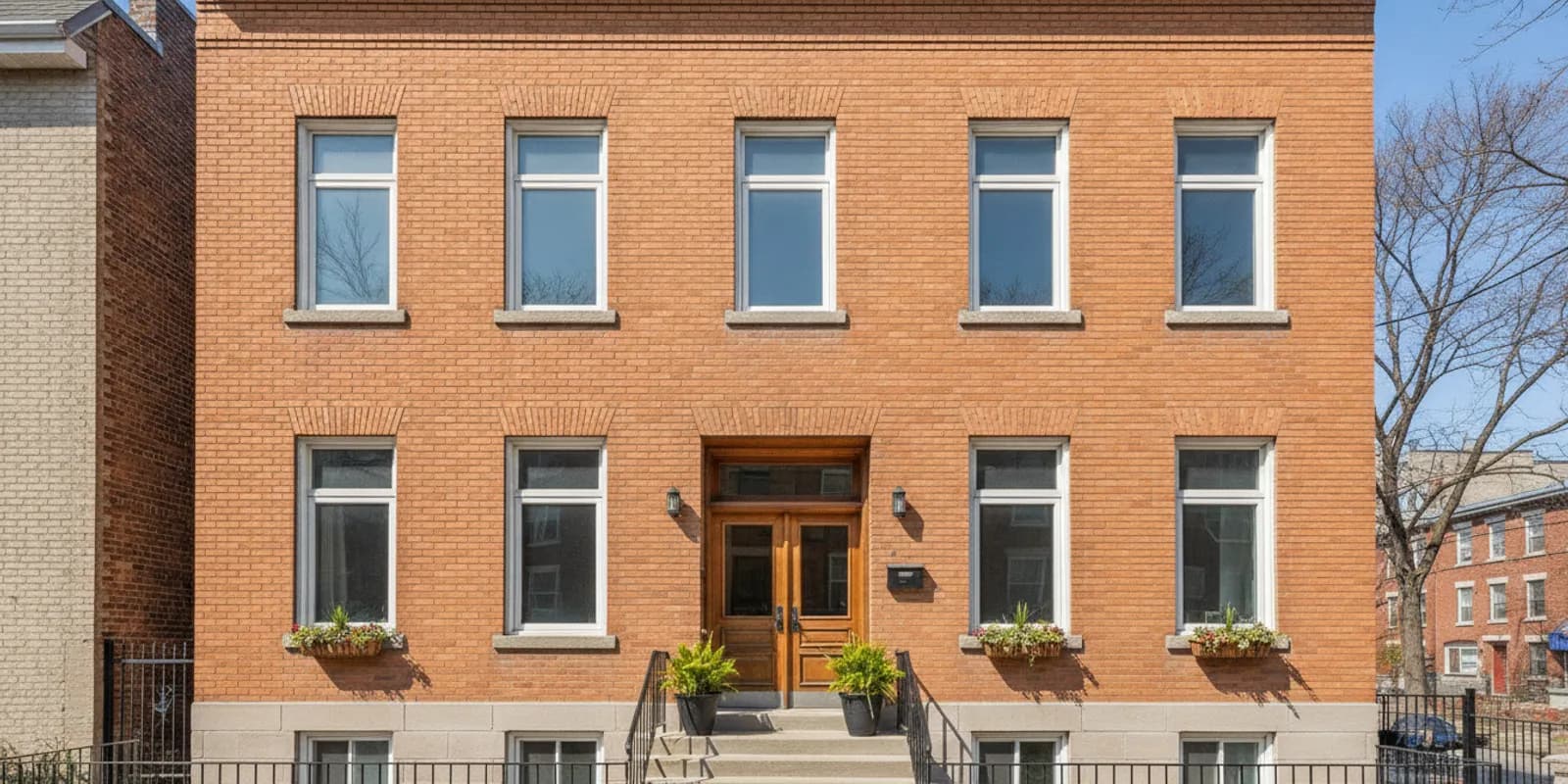
Unoccupied property management services are not simply a matter of checking a building from time to time. Montreal owners need a defined plan for access, maintenance, utilities, financial oversight, tenant or contractor communication, and response when an issue arises. The right scope depends on the property, its condition, and how long it will remain empty.
In brief: Start by documenting the property, assigning responsibility for decisions, and setting a practical schedule for upkeep and reporting. Clarify which services are included, who can authorize work, how urgent issues are handled, and what the owner will receive as evidence of completed tasks. A written plan makes an empty period easier to manage without promising that every risk can be eliminated.
Request a property management proposal
What should Montreal owners know about unoccupied property management services?
An empty property still has active responsibilities. Building systems continue to operate, weather and water can affect the structure, vendors may need access, and financial obligations continue. Commercial and industrial premises may also have specialized equipment, access controls, or operational requirements that call for property-specific instructions.
Management should begin with a clear definition of the assignment rather than an assumption that every provider performs the same tasks. An owner may need a complete management arrangement or only selected support, such as maintenance coordination, bookkeeping, rent collection where applicable, tenant management, leasing, or property inspections under an agreed scope. Ask what is included, what requires separate approval, and what is outside the mandate.
PGK Montreal, operating under the customer-facing name Le Service Mobilier PGK, has served property owners since 1986 and provides management for residential, commercial, and industrial properties. Owners can review the company’s property management services and request a tailored discussion. A proposal should reflect the property and the owner’s requested level of involvement rather than presume a fixed package.
Which risks deserve attention while a property is empty?
Begin with the risks that are specific to the building and its use. A residential apartment building, an individual condominium, an office property, and an industrial facility do not have identical systems or access needs. The owner and manager should identify which conditions could cause damage, interrupt operations, create safety concerns, or complicate a future return to occupancy.
- Water and building systems: Identify shutoffs, mechanical rooms, alarms, and any systems that must remain active. Document who may access them and who should be contacted if a problem is found.
- Exterior and entry points: Clarify responsibility for doors, windows, locks, lighting, and any shared entrances. Record approved access procedures for contractors and other authorized people.
- Maintenance needs: List recurring tasks and known issues. Establish how a maintenance request is submitted, assessed, approved, and closed out.
- Security and incident response: Set out whom to notify, how urgent situations are escalated, and where relevant building information is kept. A manager should not imply that a plan guarantees against incidents.
- Financial continuity: Track recurring bills, service agreements, insurance documents, and owner approvals so obligations do not disappear from view during the vacancy.
For general background on securing vacant buildings, the nonprofit security association ASIS Security provides an overview of measures such as fencing, lighting, patrols, alarms, and incident response in its vacant property security guide. Such general guidance is not a site-specific assessment. Owners should confirm appropriate measures with their insurer and qualified professionals familiar with the property.
How should an owner prepare the property and management instructions?
A handover is more useful when it captures facts that someone can act on. Assemble current building documents, contact details, keys or access protocols, service agreements, utility information, and a list of outstanding work. Note any restricted areas, equipment that should not be operated, and decisions that must be referred to the owner.
- Record the baseline. Describe the property’s current condition and existing issues in writing. Use dated records and appropriate photographs where available, without treating a record as a guarantee about future condition.
- Map responsibilities. Name the person authorized to approve ordinary work and define what requires further authorization. Include a reliable backup contact for time-sensitive matters.
- Set an access protocol. Specify who may enter, how access is granted, and how keys or codes are controlled. Document vendor visits and the reason for access.
- List recurring obligations. Create a calendar for bills, service agreements, maintenance tasks, and any required owner reviews.
- Define reporting. Agree on the format and frequency of updates, including what should be recorded when work is completed or an issue needs a decision.
- Plan the return to use. Identify what must be reviewed before leasing, reopening, or otherwise using the property again. Requirements will vary by property and intended use.
For properties with an owner away from Montreal, clarity is especially important. A manager may coordinate day-to-day operations, but the owner should still understand the approval limits, reporting cadence, and escalation route. PGK serves local and international property owners and can discuss a management scope suited to the property. See the company background for more context on its Montreal operation.
What should a property manager’s scope cover?
The management agreement or proposal should make deliverables visible. It should distinguish routine coordination from work requiring separate approval, explain how communication will occur, and identify records the owner can expect. Do not rely on a broad phrase such as “full service” without confirming its practical meaning for the specific building.
| Management area | Questions to settle | Useful record or outcome |
|---|---|---|
| Maintenance coordination | Who receives requests, obtains estimates, authorizes work, and confirms completion? | Work log with dates, approvals, vendor details, and status |
| Access and vendors | Who can enter, how are credentials handled, and how is access documented? | Authorized-contact list and visit record |
| Financial administration | Which bills or accounts are handled, and how are exceptions escalated? | Organized transaction and expense records |
| Reporting | How often are updates provided, and what requires immediate notice? | Agreed report schedule and escalation contacts |
| Leasing or reoccupation | Is leasing included, and what preparation is needed before use resumes? | Defined responsibilities and readiness checklist |
Owners should also ask how the manager will distinguish routine observations from urgent conditions, and whether the proposed reporting suits the asset’s complexity. Financial institutions and trusts may require particularly clear documentation and approval trails. A sound scope makes accountability easier to assess without assuming that each owner needs the same level of service.
How can owners compare management approaches?
Compare proposals by responsibilities and controls, not by a headline label. Ask each provider to describe the same operating scenario: a contractor reports a leak, access is needed after hours, or an owner cannot be reached for a non-urgent repair. The response should show who acts, what authority applies, how the owner is informed, and how the event is documented.
Consider these points during review:
- Scope clarity: Are included tasks and exclusions stated plainly?
- Decision authority: Are spending limits or approval steps defined in the proposal rather than assumed?
- Communication: Is there a named route for routine questions and urgent escalation?
- Records: Will the owner receive useful documentation of expenses, work, and unresolved issues?
- Fit: Does the provider have a process appropriate to the property type and the owner’s distance from the site?
- Fees: Are proposed fees explained in relation to the services, property characteristics, and management complexity?
Property management pricing is commonly scoped to the assignment; owners should request a written proposal rather than rely on a generic rate. PGK uses customized proposal-based management pricing. The proposal request page is the direct route to discuss requirements. Share the property type, location, expected vacancy period if known, current operational concerns, and the tasks you want handled.
How do residential, commercial, and industrial needs differ?
The basic management framework is similar—document the asset, set authority, coordinate work, and report—but the details differ. Residential owners may need a plan that addresses common areas, building systems, tenant communications, and future leasing. A condominium owner may need coordination with the relevant building administration as well as oversight of the individual unit.
Commercial owners should clarify operating hours, access rules, tenant or occupant responsibilities, service contracts, and any shared building obligations. For industrial properties, document equipment and restricted areas carefully, and ensure that only authorized people carry out specialized work. A general property manager should not be presumed to replace technical specialists, insurers, legal advisers, or emergency services.
In each case, make the handoff practical. Provide the manager with current information, identify who can approve work, and agree on a method to report exceptions. If the property is part of a larger portfolio, ask how the reporting can make the building’s status easy to review alongside other assets.
What questions should owners ask before appointing a manager?
Use a structured conversation to test how the proposed arrangement works in practice. The answers should be specific enough to put into a proposal or operating plan.
- Which tasks will you perform directly, and which will you coordinate with outside vendors?
- How will access be authorized and recorded?
- What is the process for urgent issues and after-hours escalation?
- Which decisions remain with the owner, and how are approvals documented?
- What regular reports or records will the owner receive?
- How will outstanding work and recurring obligations be tracked?
- What information do you need before taking responsibility for the property?
- How will the plan change when the building is ready for occupancy or leasing?
Request written answers where they affect scope, authority, or fees. For owners managing properties from abroad or elsewhere in Canada, ask how communication and documentation will remain workable across time zones. A bilingual management relationship can also help owners and stakeholders who prefer communication in English or French.
Submit a request for a proposal
Frequently asked questions about unoccupied property management
Does an unoccupied building still need active management?
Often, yes. Bills, building systems, maintenance needs, access, and owner decisions continue even when the property is empty. The appropriate level of oversight depends on the asset and the owner’s circumstances.
Can a property manager guarantee that damage or unauthorized access will not occur?
No management plan can responsibly promise that every incident will be prevented. A defined access process, timely maintenance coordination, clear escalation, and appropriate insurance discussions can help owners manage responsibilities and respond when issues arise.
Is there one standard fee for unoccupied property management services?
There is no single fee that fits every property and scope. Ask for a written proposal that explains the management tasks, property complexity, and any separately approved work.
Should the owner keep a copy of the management plan?
Yes. The owner should retain the agreement, access instructions, contacts, approval rules, reporting expectations, and current property records. Keep the information updated when responsibilities or building conditions change.
Putting an unoccupied-property plan into practice
Begin with a property-specific inventory and a clear list of decisions the owner wants to delegate. Then compare proposals against the same tasks, approval requirements, reporting expectations, and communication needs. This process helps residential, commercial, and industrial owners choose a workable arrangement without assuming that vacancy removes the responsibilities of ownership.
Request a tailored proposal to discuss the management needs of your Montreal property.
For a practical start, assemble the current documents, identify unresolved maintenance and access matters, and prepare a concise list of owner decisions and reporting needs. A clear scope gives all parties a shared basis for managing the unoccupied period and planning the next use of the property.